Case study · Sofia Hair Summit 2026 · Sofia · Feb-Jun 2026
The event didn't exist. Four months later, it sold out.
In February 2026, the Sofia Hair Summit was a concept: no brand, no website, no social presence, no audience. In four months (22 February to 26 June 2026), Wonder Works built all of it: the complete brand identity, a bilingual BG/EN website with Stripe ticketing, and Instagram, Facebook and TikTok channels grown from zero. The two-day international hair education event ran on 28 and 29 June 2026, sold out.
- 390,930
impressions, 22 February to 26 June 2026
- 232%
average reel reach
- 35%
reached the checkout
- Sold out
28 and 29 June 2026
How we built the summit
Honestly? Not directly, and that's the most useful thing on this page. Tickets sold through many channels, and most were closed by the founders themselves, person to person. Our job was different: make a brand-new event look unmistakably real, premium and international, so that when the founders asked someone to buy, the answer was already halfway to yes. The socials delivered 78.5% of all website traffic, and 35% of site visitors reached the ticket checkout. Then humans did what humans do best.
35% of visitors reached checkout
Marketing didn't sell the tickets. It made the tickets sellable.
Everything a real event needs to exist in public, from zero: the complete visual identity, logo system with four strategic concepts presented, colour, typography, photographic direction and tone of voice, built to read as a premium international event. A bilingual BG/EN website at sofiahairsummit.com, architecture, copy, ticket structure, checkout flow, Stripe integration. Three social channels created from nothing, with 58 contracted content assets produced and published across the engagement, three high-quality assets a week, every week.
| Metric | Sofia Hair Summit |
|---|---|
| Instagram reel reach | 232% |
| Facebook post reach | 35% |
| Top IG engagement | 4.6-12.4% |
| Top reel engagement | 8.9-12.8% |
| Checkout-visit rate | 35% |
| Social share of site traffic | 78.5% |
| Audience in Bulgaria | 89% (53.9% Sofia) |
All figures from the end-of-engagement report, 22 February to 26 June 2026. For a sense of scale, Socialinsider's study of 872,075 posts by brand pages, from January 2025 to August 2026, found the average Instagram Reel reached 4.1% of a page's followers and the average Facebook image post 1.2% (Socialinsider, 3 September 2026). At launch, the announcement content did 10× organic reach in its first 96 hours, and average website visits ran over five minutes.
This engagement ended when the event went live, with the brand, the website and the channels complete and working together. The Summit didn't exist before this brand did; whatever the event becomes in future editions stands on this foundation. That's what "built from zero" means: not a campaign, a foundation.
This is what our branding and web design do when an event needs to exist by June. The Summit is a Sofia event: how we work with Sofia businesses.
Only 966 followers, is that a lot?
It's the wrong question, and this case study is the proof. The channels grew from zero to 966 followers in a niche B2B vertical, professional hairdressing, in Bulgarian, in a country of 6.4 million people (National Statistical Institute, 31 December 2025). Those 966 followers generated 390,930 impressions: the content travelled 400× beyond the audience that followed it. Followers weren't the goal; sold-out seats were. Reach found the professionals, the brand made them believe it, the website took them to checkout.
- 966
followers
- 390,930
impressions
The posts that did the work
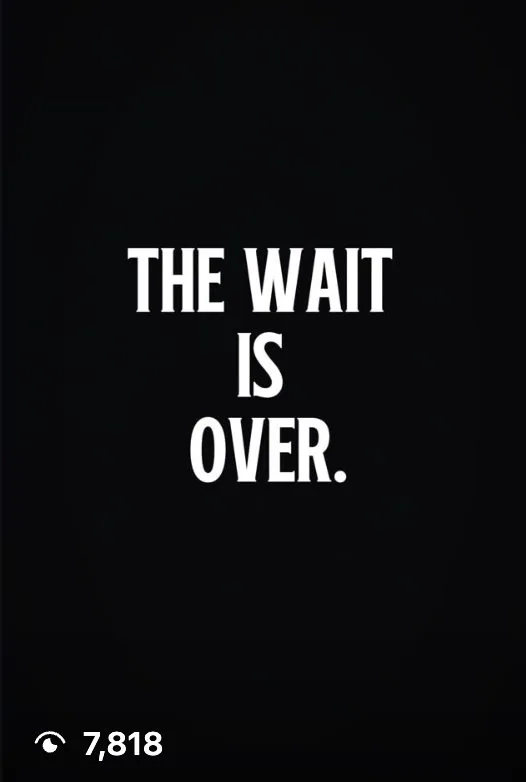
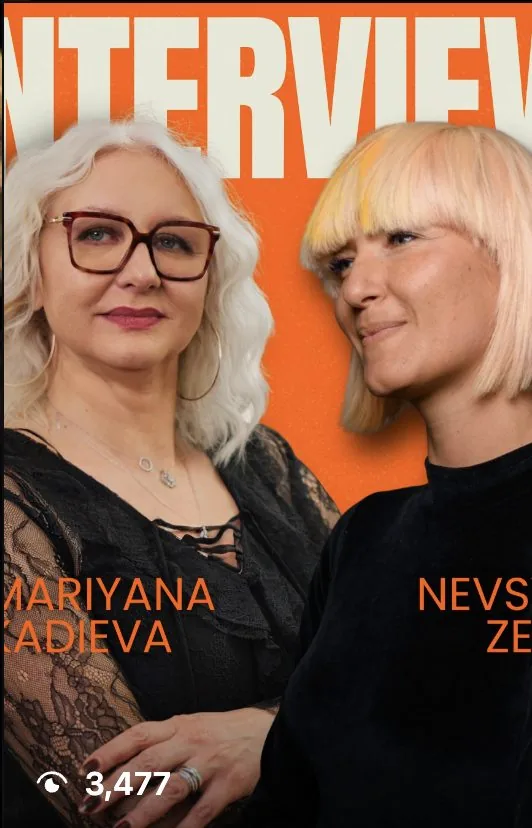
Announcement post, The wait is over, 7,818 views. 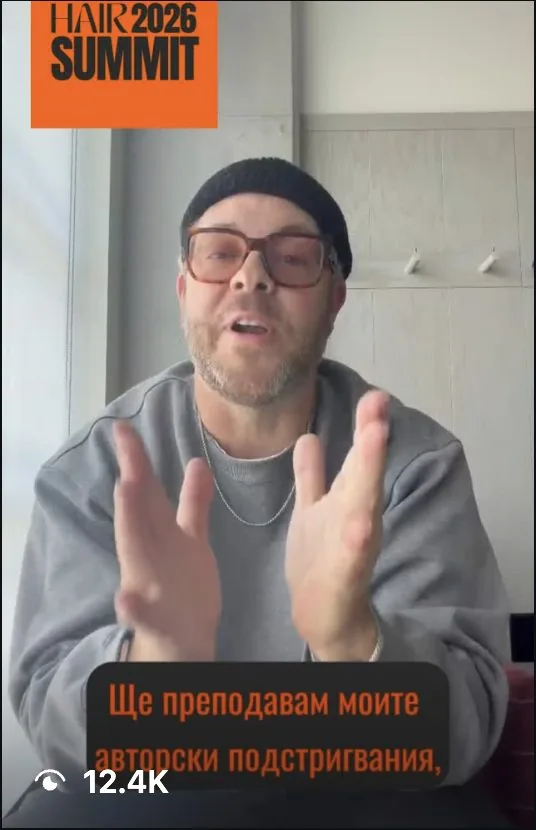
Joel Torres masterclass reel, 12,400 views. 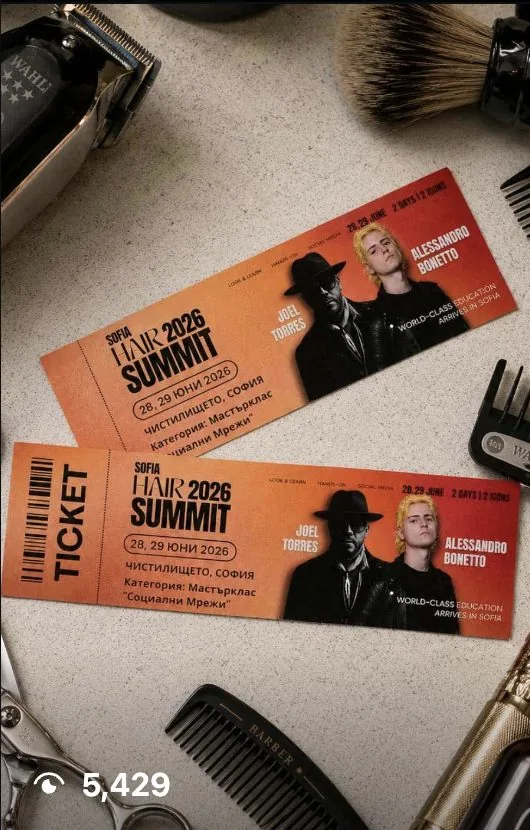
Printed tickets photographed among barber tools, 5,429 views.
What does a summit brand need before anyone buys a ticket?
One logo, three colourways, and every printed thing a premium event needs: tickets, invitations, lanyards, certificates, flyers.
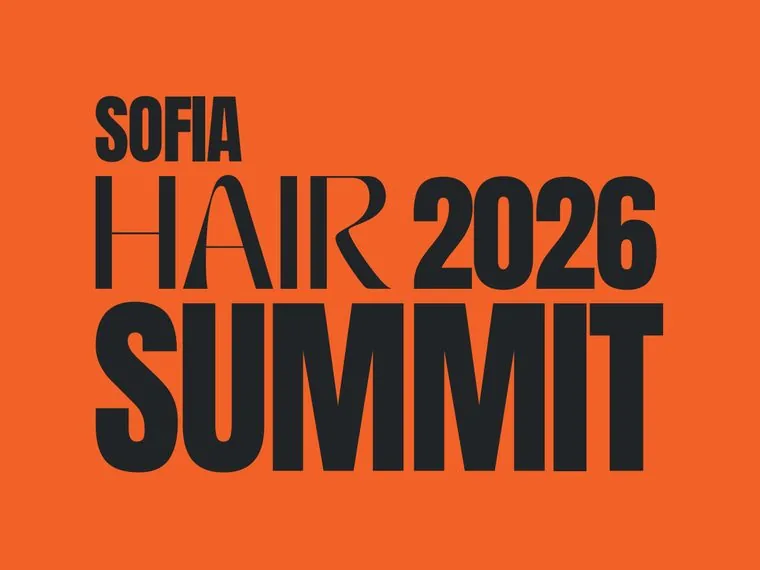
Sofia Hair Summit logo, Cast Iron colourway. 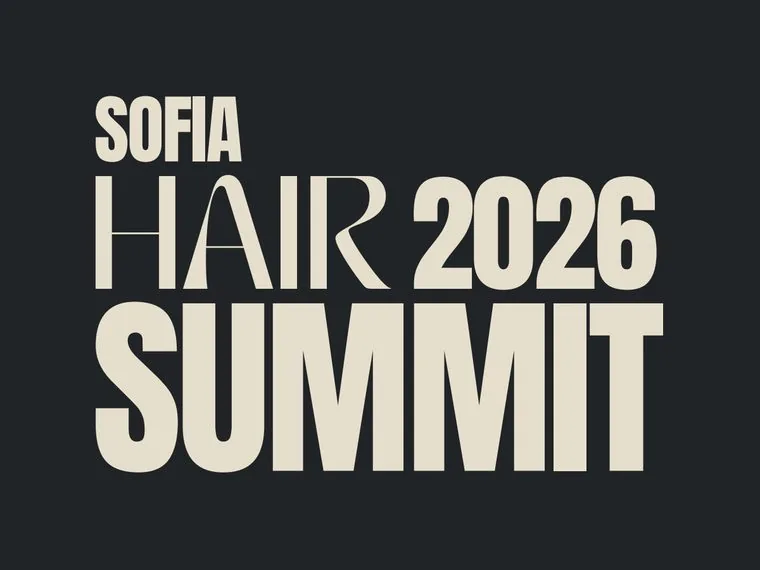
Sofia Hair Summit logo, Bleach colourway. 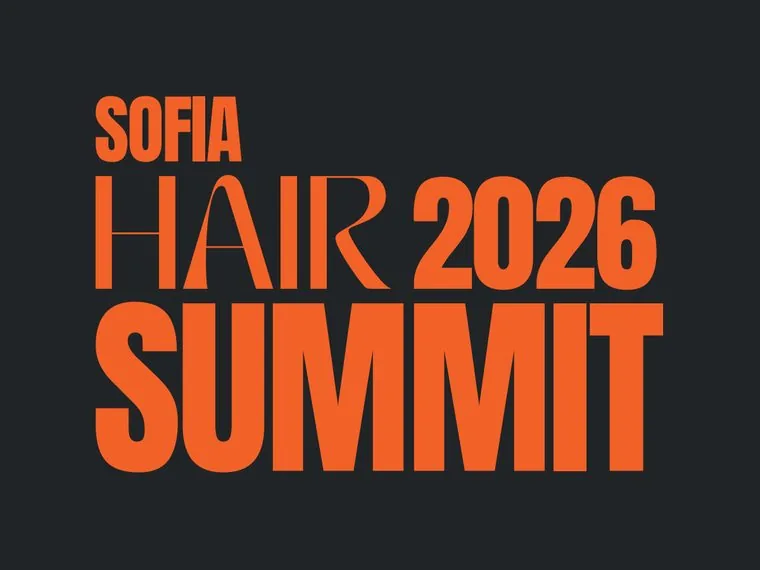
Sofia Hair Summit logo, Vermilion colourway. 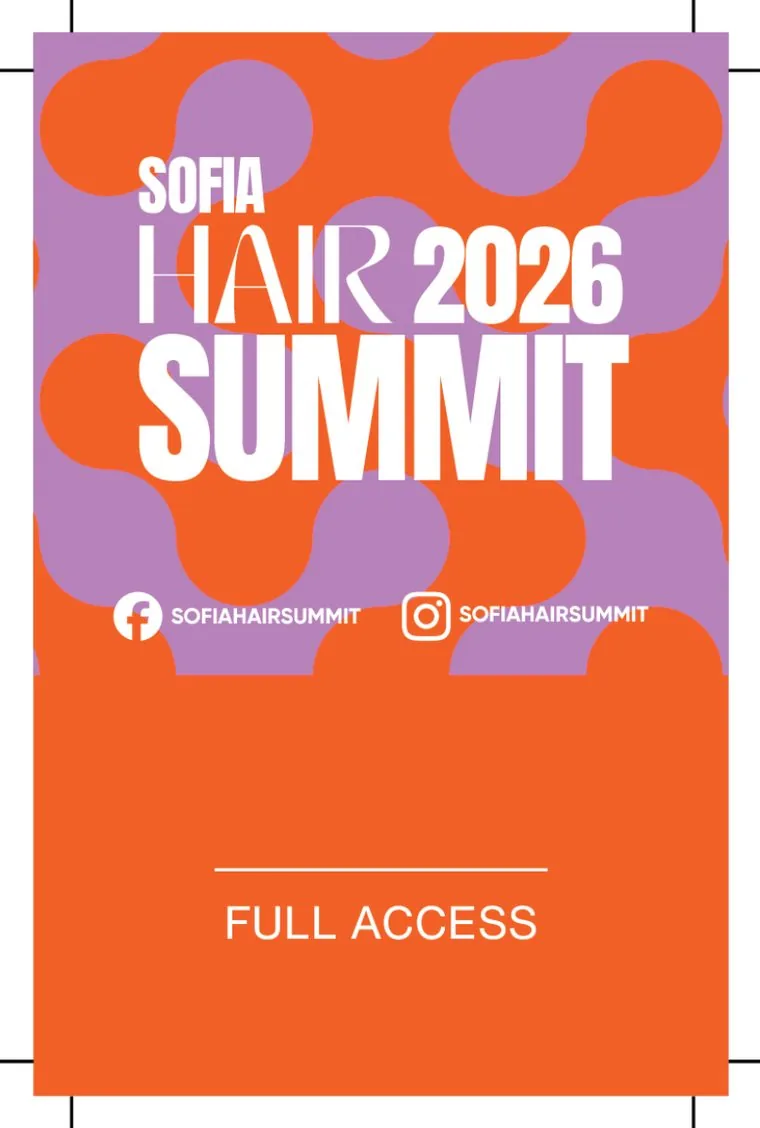
Full-access lanyard, lilac and vermilion wave. 
A4 certificate of attendance. 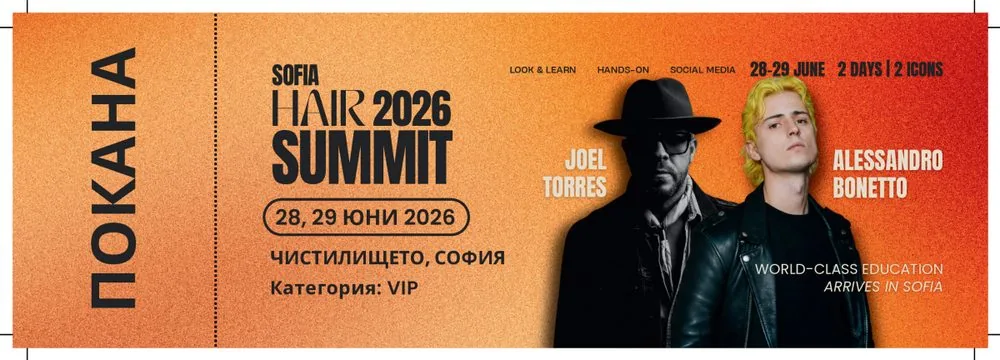
216x70mm ПОКАНА (INVITATION) strip. 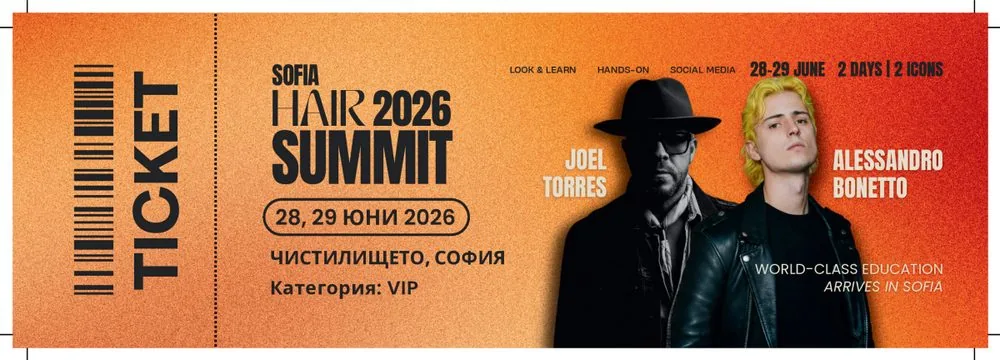
216x70mm printed ticket, one of five categories. 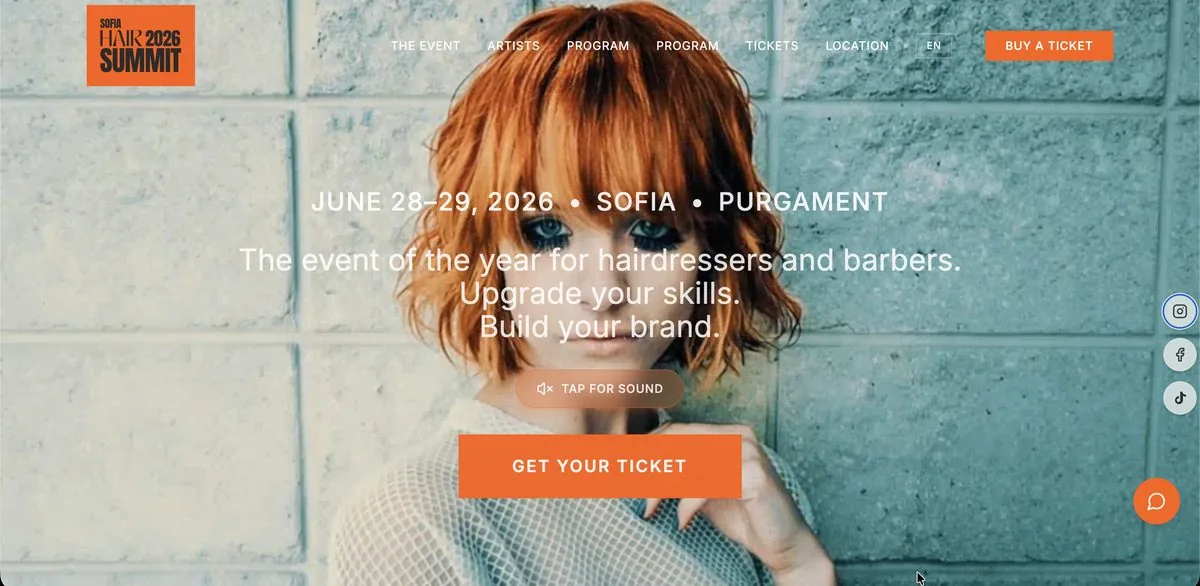
We built this too. Go click around.
What we'd do differently
The data is honest, so we are: TikTok never earned its slot for this audience, 62 followers and the weakest impressions of the three channels, while Facebook alone delivered 64% of all website traffic. Today we'd cut TikTok earlier and put those assets into Facebook and Instagram from month one. The audience for Bulgarian professional hairdressing lives on Meta; we proved it, then kept paying TikTok rent for longer than we should have.
Questions
Did the Sofia Hair Summit 2026 sell out?
+
Yes. The Sofia Hair Summit on 28 and 29 June 2026 sold out. Tickets sold through multiple channels; most were closed directly by the founders, with the brand, website and socials doing the convincing before every conversation.
What did the Sofia Hair Summit organisers buy from Wonder Works?
+
A four-month launch engagement, from 22 February to 26 June 2026: complete brand creation, the bilingual website with ticketing, and full social media management, 58 content assets across Instagram, Facebook and TikTok, from account creation to the event going live.
Why does an event need a brand and not just a Facebook page?
+
Because nobody buys a €200 professional ticket from an event that looks improvised. The Sofia Hair Summit brand's job was legitimacy: a premium international look that made every ticket conversation easier. When 35% of the Summit's site visitors reached the ticket checkout, that was borrowed trust in numbers.
Does the Sofia Hair Summit approach work for other events?
+
The playbook, brand first, website with real ticketing, social channels feeding it, humans closing, is repeatable for any event that needs to look bigger than day one. The niche changes; the mechanics don't.
Is the Sofia Hair Summit website still live?
+
Yes, sofiahairsummit.com, bilingual, built and launched by Wonder Works. Go and click it.
Launching something from zero?
Marketing, €1,500 a month at mostAsk us anything.All case studies